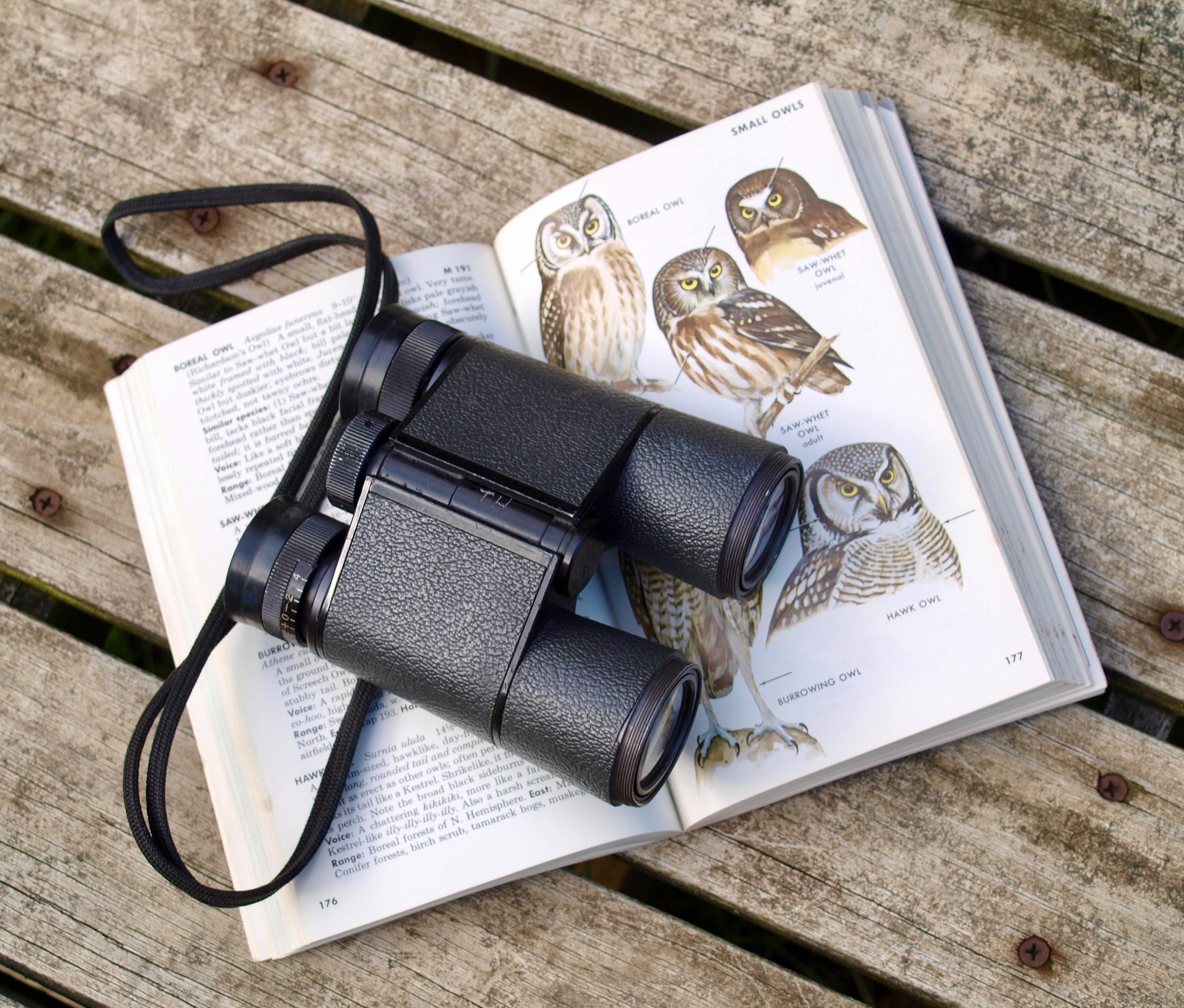
TV presenter and naturalist, Chris Packham has launched an online birdwatching community called the Self Isolation Bird Club to offer an escape for those self-isolating due to the coronavirus COVID-19 outbreak.
Drawing people together to focus on nature, Chris has created a space for wildlife-lovers across Twitter and Facebook to share their findings with one another. From beautiful blue tits in the garden to the sound of robins singing, the videos and photos will celebrate the best of the great outdoors – and it’s easy to get involved.
“Despite it being a dismal afternoon, wildlife is really bringing me joy – and that’s what I’d love to talk to you about,” Chris wrote on his Facebook page.
“What are we going to do to stay sane and mentally healthy? Well, I know what I’m going to do. I’m going to be listening to those robins, spending time outdoors and reconnecting with nature. Over the next days and weeks, I’m going to do some Facebook lives about how we can find some light in this darkness.”
As well as creating this space for people to enjoy, Chris explains that he’s going to use his time at home to start painting, reading books and walking his four legged friends. “Now we find ourselves with time on our hands, so I might show you some of my painting and dog walks,” he says in a recent video, which you can watch below.
Many people have been sharing their wonderful wildlife finds already – us included! Be sure to keep an eye on our Facebook and Instagram profiles over the coming days and weeks as spring arrives across the Thirley Cotes Farm estate and beyond.
Looking after the Thirley Cotes Farm estate is a year-round job and as the summer months arrive, all our hard work will have paid off as the gardens are looking at their best. Meanwhile, we’ll be busy with plenty of things to do outdoors during lockdown, such as keeping the grounds in trim and with general day to day tasks like feeding the birds, watering and weeding.
Whether you’re planting fragrant floras or establishing a vegetable plot, anyone can benefit from getting their hands a little dirty and with many of us staying at home due to the recent coronavirus outbreak, we’ve been using the downtime to get green-fingered.
It’s good for the body, the mind and the soil and though it is an unknown territory for most of us, if you can step out into the outdoors, even just to tend a few pots, there are an abundance of things to do that can keep you happily occupied during lockdown and help while away the time.
You may well find that during this compulsory slow-down period you have the best-kept outside space you’ve ever had. So, here are some ideas for things to do outdoors during isolation from our team of green fingered experts to help draw you down the garden path.
Create a little sunshine
With beautiful golden yellow petals sunflowers bring a feeling of happiness and vibrant splash of colour to any outdoor space. They’re also very easy to grow and make an excellent project for children to take care of. Order seeds online, sow in pots on a warm windowsill and once your shrubs have reached 30cm (12 inches) in height, you can plant them in the garden or move them to a bigger pot. Don’t do this any earlier than May to avoid seedlings being damaged by any late frosts.
Mow-tivate yourself
While the Great British weather is on our side – dust down the mower and get out there. Set the blades to about 2.5cm to avoid any scalping and then trim the edges with long-handled shears. Remember to leave a bit of your lawn ‘rough and ready’ to welcome local wildlife.
Spring clean
Coffee on the back patio, afternoons in the garden, barbecues on the weekend. Isolation has us all wanting to spend more time outside and when you do, you’ll want your backyard in tip-top shape. Re-edging the lawn is surprisingly satisfying and it magically – and speedily – improves the appearance of your garden overall. Ideally use a half-moon shaped edging tool, or a garden spade and to change the lawn’s shape, lay hosepipe as a guide.
Spruce up your space
Spring has sprung and the warm weather is calling us to get outside and get active. Whether it is raking leaves or getting your favourite perennial beds ready, it is the perfect excuse to enjoy some sunshine.
Make it shine
From mason jars to twinkling string lights, bring sparkle to a tree, porch, archway or shapely shrub and illuminate your outside space. Once you’ve finished making improvements large and small, it’ll soon be time to invite your friends and family over to celebrate your beautiful new backyard.
Some bloomin’ good news during this turbulent time! The National Trust is launching #BlossomWatch to lift the nation’s spirits and connect with nature’s annual calendar when it is perhaps needed the most.
The conservation charity is encouraging those who can see a tree in bloom from their window, in your garden if you’re lucky enough to have it grow there or while out on once-a-day walk, cycle or run to take a moment to pause, actively notice and share images on social media using #BlossomWatch to reach those who can’t enjoy the fleeting beauty of spring for themselves.
They would also like #BlossomWatch participants to tag their location so that, next year, they can work towards creating a blossom map of the UK.
The move is part of the National Trust’s ‘Everyone Needs Nature’ campaign to help people of all ages become more connected with the everyday outdoors. The idea was born off the back of the Trust’s Noticing Nature report earlier this year, which found that only 6% of adults and 7% of children celebrate natural events such as the first day of spring, solstice or harvest.
The aim is to make this an annual event and emulate ‘Hanami’, the ancient Japanese tradition of viewing and celebrating blossom as the first sign of spring.
To get involved, share your budding snaps on social media and make sure to tag @nationaltrust and include #BlossomWatch. In the meantime, head over to our Facebook and Instagram profiles for some inspirational blooms.
There is nothing more enjoyable than a tail wag worthy walk and many visitors to the Lakes bring their furry friend(s) along.
Which can only be bettered by putting your feet up in a dog-friendly pub at the end of a days ramble. Our cottages in the Lake District are surrounded by pup-welcoming establishments galore, so be sure you to pencil in a visit or two during your stay.
If your searching for dog-friendly pubs in the Lake District, a real hidden gem in the very heart of Ambleside isThe Golden Rule. An honest Lakeland local where little has changed over the years – which is just how the regulars like it. Just the spot for a pint and a pork pie (if you’re lucky) and of course, your four legged friend is welcome.
Probably the best-known dog friendly pubs in the Lake District, The Dog and Gun in Keswick is a treasured pooch-loving establishment – the clue is in the name – and is home to a smorgasbord of local guest ales. There’s a snug fire for the colder months and plenty of treats behind the bar – for both two and four legged visitors.
Boasting a buzzing atmosphere and location not far from the picturesque village of Sawrey, the Tower Bank Arms is home to a rich literary heritage. This wonderfully historic haunt has been welcoming visitors since the 17th century and features in Beatrix Potter’s: The Tales of Jemima Puddleduck.
This bustling Lakeland pub sits at the foot of the Newlands valley in the village of Braithwaite and is the ideal space to immerse yourself in the local community. While warming those cockles by the crackling fire after a day spent exploring nearby Grisedale or Causey Pike.
Built in 1688, the Horse and Farrier is a traditional Lakeland inn that sits just below Blencathra, offering views out over the Helvellyn valley and beyond. Local Jennings ales are in plentiful supply, alongside a seasonal menu packed with local produce. Well-behaved pups are more than welcome and the same can be said for the Horse and Farrier’s sister venue, The Salutation Inn.
Serving up something a little different to the dog-friendly pubs Keswick has to offer, The Square Orange showcases a sophisticated cafe style coffee menu, loose leaf teas and a tantalising cocktail selection and is a welcomed change from the traditional.
If you’re planning a trip to the Lake District, browse our collection of Cambrian cottages and explore this stunning corner of the country in style.
There are many peaceful and picturesque walks in and around the Lake District’s most idyllic market towns.
Each route sending ramblers on a tour of some of the most stunning Cumbrian scenery, from vast lakes and mountains to babbling waterfalls and fells.
If you’re joining us for stay at one of our cottages in the area or are simply visiting, here are four of our favourite walks showcasing Keswick’s natural attractions that are guaranteed to delight and challenge.
Keswick – Castle Crag
In the middle of Borrowdale is Castle Crag, a small but stunning little peak that nudges out from above the trees and overlooks the valley glacier. From the summit, you can take in the views from across the valley and then enjoy the serenity of the shaded woods and river banks on the descent.
The route: a shorter four mile walk that usually takes around two hours. Castle Crag is a very accessible Cumbrian ramble.
The peaks that surround Coledale near Keswick are a silhouetted presence that ooze the mystique and magic of the surrounding landscape. As viewed from Keswick, they appear steep and angular, although the climb isn’t as challenging as you may initially think, and take a day to complete.
A classic U shaped valley, like many in The Lakes, the area around the peaks is completely uninhabited by people, which has helped lay on a wild and natural feel If you stick to the skyline you will see Kinn, Sleet How, Crag Hill and Sand Hill, amongst others. The true destination point is Gasmoor, which offers stunning views of the entire area.
The route: a longer 11 mile walk that should take seven or eight hours. The Coledale Peaks walk will require some energy, determination, sturdy walking boots and a tasty lunch to enjoy along the way!
Cat Bells, Maiden Moor & High Spy
Down the western flank of Borrowdale are three small peaks (each well worth a visit) with their own distinct profiles and character. Accessible through a long ridge, the descent and climb between each peak isn’t severe, which makes hitting all three in one trip a manageable 5-6 hour expedition.
On either side of the ridge, the local wildlife and scenery offers panoramic views, from the Skiddaw fells to the Newlands Valley and the rarely visited and almost secretive hanging corries and crags.
The route: this walk requires a bit of travelling; namely, a water bus from the lake shore, to get to the perfect starting point for the 9 mile hike.
Watendlath & the Bowder Stone
The circular path from Keswick to Bowder Stone, Watendlath and back again takes you high amongst the fells and into the secluded valleys to the east of Barrowdale.
The hidden hamlet of Watendlath is surrounded by trees, crags and a criss-cross of dry stone marked fields and pastures and is the perfect stop-off point, before visiting the 2000 ton Bowder Stone and the villages of Grange and Rosthwaite and tackling the steep descent at High Lodore.
The route: the best starting point for this walk requires a ramble down to the idyllic Lake Derwentwater. From there, hop on one of the regular water buses and await what promises to be an invigorating 8 mile walk around Keswick and the surrounding countryside.
If you’re planning a visit to the Lake District, why not book a stay in on of our Lakeland cottages and uncover Keswick’s natural attractions.
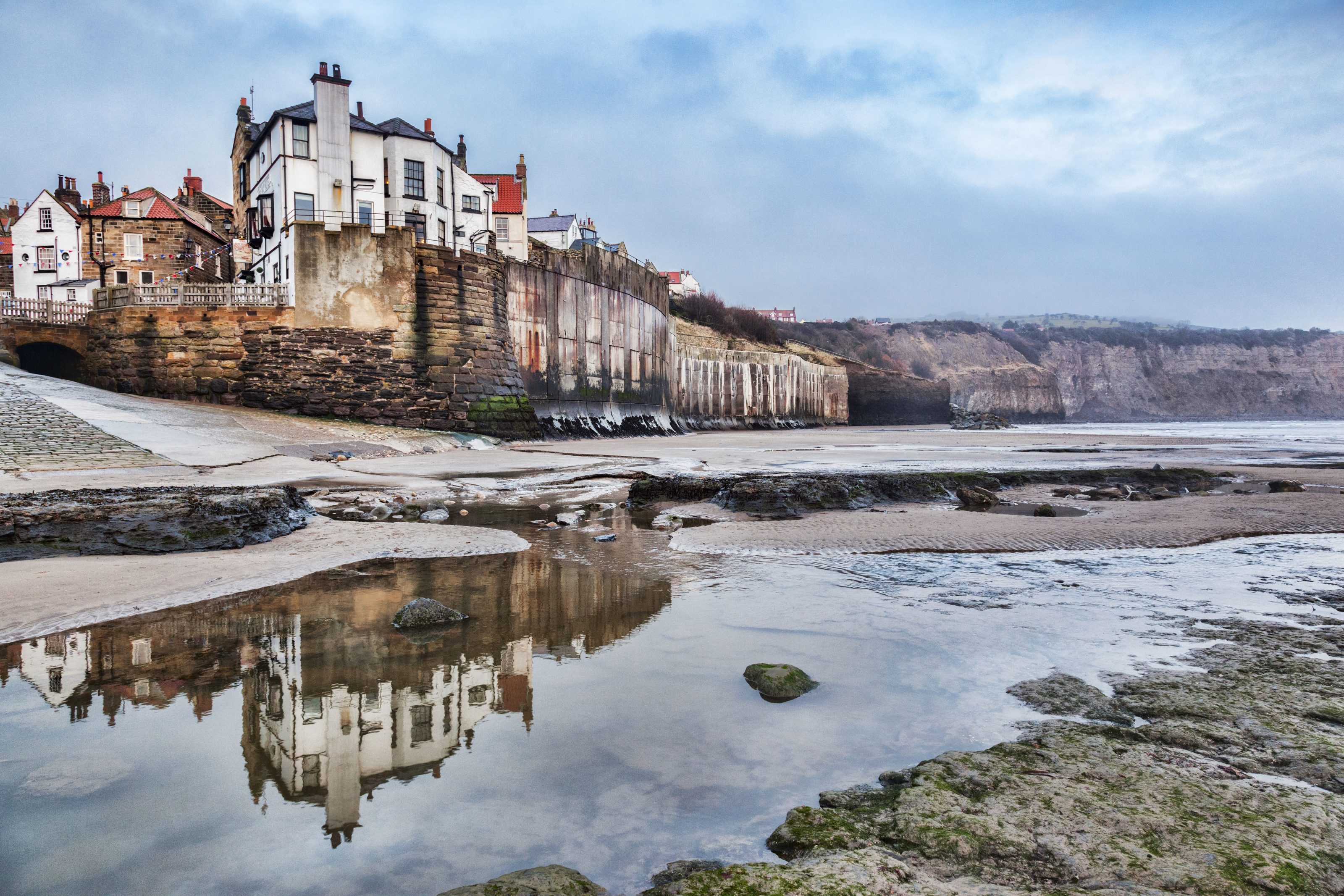
The Old Coastguard Station in Robin Hood’s Bay will help you discover what makes this part of the North Yorkshire Coast so special.
The current exhibition is all about life at the edge of the North Yorkshire coast – living, working and surviving where land meets sea – and hands-on models and fascinating displays tell the story of the region’s distinctive geology and the impact of the elements, local wildlife and secret history of smuggling.
You can have fun making waves, generating wind power and finding out more about the natural processes that shape the surrounding shoreline and spot hermit crabs, blennies, winkles, sea anemones and other nautical creatures in the rock pools just outside.
There’s always something new to see and experience. Such as uncovering the vital work that National Trust rangers are doing across the surrounding North Yorks Moors and Coast and exploring the array of higgledy-piggledy seaside towns and villages just a short hop away. While The Old Coastguard’s shop stocks plenty of souvenirs and your money stays locally, with proceeds contributing to the upkeep of the Station and protection of the wildlife and spaces surrounding it.
If you’re joining us for a stay at one of our cottages close by, head to Robin Hood’s Bay and experience real life on the edge of the North Yorkshire Coast.
The authentic replica of HMS Endeavour, which was sailed by Captain James Cook during his scientific expeditions of 1748 has be traditionally built by Whitby craftsmen and stands in the water some 40% of the original ships size.
Climb on board Whitby’s Bark Endeavour for one of the regular sailings throughout the year and embark on a voyage around the harbour and along the coast to Sandsend, where you will follow the path of Cook himself and re-live his life at sea.
A trip on Whitby’s Bark Endeavour is more then just a simple pleasure cruise. Enjoy stunning views of North Yorkshire’s Jurassic Coastline, with it’s interesting geological features and wealth of fossils and minerals, including the famous Whitby Jet. You can also spot a rich variety of wildlife, including many different types of sea bird, seals and occasionally porpoise, dolphins and whales.
Sit back, relax and immerse yourself in the dramatic coastal surroundings, while listening to traditional Whitby sea shanties and learning about the life of Captain Cook, before returning to your cottage nestled on the edge of the North Yorkshire Moors and Coast. We guarantee that it will be a trip to remember.
Fill your getaway to the Lake District during winter months with plenty of things to do, from sledging down snowy peaks to catch-ups in cosy Cumbrian pubs – and that’s just the beginning.
This stunning corner of the country has plenty more to offer visitors when the colder weather arrives. So, if you’re joining us for a stay in on of our Lake District holiday cottages this winter, make sure you consider some of these things to do when it’s cold outside.
Catch a Film in Comfort in Ambleside
Zeffirellis in Ambleside combines a five-screen cinema with a daytime cafe and jazz bar and is an independent establishment that supports new and emerging talents within the world of film and the arts. There is also an award-winning pizzeria and vegetarian restaurant onsite, so you can settle in front of the screen with a slice and absorb some of the best of the entertainment world.
Reminisce with Beatrix Potter
Head out to Bowness and meet all of your favourite childhood characters. The Beatrix Potter Attraction brings you face to face with your fondest memories of Peter Rabbit, Jemima Puddleduck and all the other wonderful and whimsical characters. It’s an award-winner, too and very popular with families and dedicated Potter fans.
Climb like King Kong
A couple of hours at the King Kong Climbing Centre in Keswick is a great alternative to attempting any chilly adventures in the great outdoors and whilst the name may sound on the childish side, the options are for everyone. There are some advanced indoor climbs for the adrenaline junkie, a cave and ice climb for those intrepid explorers amongst us and a kids’ zone to keep little climbers entertained.
Go Back in Time in Windermere
Windermere Steamboat Museum offers you the chance to discover some of the most famous water-vehicles from the local area. A unique and historic story tells of how the Windermere Steamboats came about, their popularity and how their design and engineering changed over the years. Spot a range of steamboats, motor boats and more as you explore this maritime attraction.
Dine at a Michelin Starred Restaurant
There is an exceptional array of Michelin star dining across the Lake District. In fact, it is home to the highest concentration of Michelin stars outside of London. With restaurants such as L’Enclume (which hold two Michelin stars) and the Forest Side Hotel providing some of the finest dining you’ll find in the region and a wonderful treat during your winter break.
Travel Deep Underground at Honister Slate Mines
Still operational and the only one of their kind, Honister Slate Mines provide a fascinating live-action display of how modern mining works. Visiting the mines includes a guided tour underground deep into the mine itself and the chance to engage with knowledgeable and experienced tour guides who can answer practically any question that comes to mind. Particularly atmospheric in the winter and a truly one-of-a-kind experience, Honister Mines is fun for visitors of all ages.
Embrace English History at Dalemain Mansion
A Grade II listed mansion in Penrith, Dalemain is one of the most beautiful stately homes in the whole of the Lake District and perhaps the whole of the North of England. Visitors can explore the beautiful landscaped gardens, historic parkland and wonder at over four centuries of unique architecture. The Medieval Teamroom also offers winter warmers and other home-cooked treats for when you’ve explored the house in full.
Marvel at the Great Outdoors on a Winter Walk
The Lake District is simply spectacular during the winter months and a frost covered ramble is one way of experiencing the scenery it in all its glory. Consider a walk from Windermere to Orrest Head for wonderfully crisp views out across the Lake (and in every other direction). While Derwentwater and Bassenthwaite Lake offer a frosty ambience at the height of winter, creating a unique and tranquil atmosphere for a gentle stroll.
Want to find a secluded spot? It’s perfectly possible to escape the crowds if you venture off the beaten track in the Lake District.
Cumbria is a place of sheer, unspoilt beauty. That much you know. But did you know that the UNESCO World Heritage Site is also home to some of the UK’s most incredible, tucked away spots as well?
From hidden beaches that are perfect paddling, to hills where you can enjoy the sunset without the crowds, and even some tiny iconic buildings that you can enjoy just on your own, or with family and friends, if you’re clever enough, you can always find a quiet corner to enjoy Lakeland’s natural beauty, even at the peak times.
Here are 5 lesser known secluded spots to check out.
Ulpha Bridge, Duddon Valley
Hidden away in the south-west corner of the Lakes, the Duddon Valley is a remote area of river beaches, ancient woods and twisty lanes that lead to the sea. The lack of a grand lake means few tourists venture here, but at Ulpha Bridge grassy banks, fringed by trees, open out to shallows for minnowing or deeper pools for jumping. The little Post Office sells ice creams and fishing nets and there are 18th-century ruins to explore at Duddon Bridge old ironworks.
Tongue Pot waterfalls, Eskdale
Tongue Pot forms a long emerald pool beneath a waterfall in the cleft of a mountain beck . Just beneath a mountain packhorse bridge, where the Lingcove Beck joins the Esk, a pebble beach shelves down on one side and an oak tree overhangs, its knobbly roots making good handholds. Up and downstream, Esk Falls, Kail Pot and Lingcove Beck form yet more pools, the grey rocks streaked with sinuous white quartz veins. When the sun is shining there is no better place on earth to be. Close by are the Roman Fort and narrow road pass at Hardknott.
As you walk the gently rising mine track from just outside Braithwaite village, it is hard to believe that this beautiful area of the Lake District fells was once the backdrop to a mining industry. Hugging the side of the fell with the winding beck below, you are lead to the head of the Coledale valley and the sheer dark face of Force Crag. For over 200 years men have worked in this isolated spot digging for lead in the early years and then later barites and zinc.
Jack Scout
This is a fantastic spot for a great view, just a short stroll across flower-studded pasture to a rocky headland looking out to sea. Time your visit right, after the daytime walkers have gone home, and you will experience an amazing sunset, surrounded by calling birds including oystercatchers and curlews on the sands, warblers and blackbirds on the land, with the sea lapping below. Explore secluded paths between the bushes and find the hidden ways down to pebble beaches, where children (and adults) can beachcomb and rock-scramble. Or find the Giant’s Seat and sit for a while, soaking up the peace. Jack Scout is a great place to view the Lakeland hills and the surrounding countryside. See stunning sunsets from this area, and also see the tidal bore.
Stagshaw Garden
Just a short walk from Ambleside you’ll find Stagshaw Garden, an informal woodland garden which in the spring and summer bursts into life with an absolute blaze of colour and wonderful scents. The rambling paths and unusual combination of shrubs, trees and plants give this garden an enchanted feel, with a different delight around each corner.
Created by Cubby Acland, a former National Trust land agent in 1957, the garden has an outstanding collection of rhododendrons, camellias and azaleas, as well as many other unusual trees and plants. There are more than 300 shrubs set among the large native oak trees, and carpets of native daffodils and bluebells in the spring. Look out for the Painters’ Palette as you wander. Here Cubby planted an array of different camellias to represent an artist’s palette, complete with a small thumb hole!Despite its proximity to Ambleside and the main A591, Stagshaw is a quiet place where you can sit in peace and enjoy views out to the lake and mountains beyond – a welcome sanctuary from the hustle and bustle below.
Looking for a relaxing Lake District break in Windermere, Keswick or Threlkeld? Enjoy a break at our collection of Cumbrian cottages and explore off the beaten track in the Lack District.
Not only is this corner of the UK coastline haunted by ghosts and vampires, but it’s also known for quite a few fascinating fables, as well as familiar tales of folklore.
Whitby is home to a multitude of seafaring legends and rich in ancient stories, from the demise of Humpty Dumpty and the giant duo of the North York Moors, to the mysterious mermaids who once washed up on Staithes beach.
For centuries, fishermen and sailors across the country have swapped stories to forewarn and entertain their listeners, creating some of North Yorkshire’s most mystifying myths and legends.
Here are 4 of our favourite tales preserved throughout the centuries …
Whitby Abbey’s Submerged Bells
Whitby fell victim to Henry VIII’s destroying of England’s finest Abbey’s, which is why it now stands in ruins.
However, there are two objects said to have managed to survive Henry’s reign of destruction: a pair of now submerged bells, which he wanted to transport to London.
He ordered his men to cut down the bells and set sail on a calm mid-summer’s day, but as soon they set off, a storm rolled in and sank the ship, taking the bells with it. Today, on a clear night, you may still hear a distant chime beneath the waves.
The Wade’s Stone(s)
A six-foot-tall stone stands in a field near East Barnaby, with little to distinguish it from the many other standing stones that crop up all over the moors, except for its name: Wade’s Stone.
About 20 yards away is another standing stone, which also bears the same name and together, the pair are said to mark the head and foot of the grave of Wade the Giant.
Wade lived on the North Yorkshire Moors many years ago, in a castle near Lythe, accompanied by his giant wife, Bell. One built the Old Mulgrave Castle and the other Pickering Castle and to help bring in the cows for milking, Wade built a road over the moors.
By the time it was finished, the trail stretched all the way from Malton out to the sea, crossing some of the highest and wildest parts of the surrounding countryside.
Known as Wade’s Causeway, you can still see it today on Wheeldale Moor beneath the heather.
Humpty Dumpty’s Grave
Standing out in St Mary’s Churchyard is an odd gravestone, and not that of Count Dracula!
Both oval and faced to the floor, it has caused much questioning over the years. However, like many other tombstones nearby, the sandstone has faded through time, taking its inscriptions with it.
While the true secrets are buried deep below the surface, speculation has caused some locals to believe that this could be the grave of Humpty Dumpty, although not the anthropological egg we are expected to credit as children. Rather, a war cannon that once sat atop a defensive wall.
No-one knows where the nursery rhyme originated, yet, it does describe a great weapon falling and breaking upon impact, so there’s no reason for it not to have occurred in Whitby.
The Sirens of Staithes
When Staithes was not yet a fishing village and populated by a very small number of people, two mermaids washed up on the beach after a storm. Beautiful as they were, they also horrified the townsfolk, who captured them and tied them in nets to put on show.
Rocks were thrown by fearful passers-by, however, over time, villagers began to warm to the creatures, who were friendly and did not appear to mean harm.
Eventually, they were offered gifts and one of the mermaids convinced a stranger to free them from their binds, thus making an escape and never to be seen again.
Find out more about the supernatural splendour of the North Yorkshire coast at visitwhitby.com
You can also book a stay at our collection of holiday homes located in and around the town’s of Whitby, Scarborough and Staithes and uncover Whitby’s myths and legends for yourself.












Recent Comments