Archives: Article

Summer Holidays in The Lake District

The Lake District undoubtedly offers some of the UK’s finest fell-walking. But pleasing the little ones can be a hard task, so why leave it to chance this summer?

Writers, poets and artists including William Wordsworth were drawn here, leaving fascinating homes to explore. While wealthy folk built grand houses and gardens to capitalise on the landscapes.

Quirky things to do include a exploring the magical world of Beatrix Potter and flying through the tree top canopy – but honestly, nothing beats larking about on Lake Windermere for some well-earned relaxation.

We have pulled together some of our favourite things to do when joining us for a family stay in The Lake District this summer, to make your decision making that bit easier.

Treetop Trek

The Windermere Treetop Trek will certainly keep everyone entertained with its jam-packed schedule of adventure-filled activities. There are more than 35 challenges that will have you swinging, climbing, balancing and flying through the woodland canopy. You can also race against the clock down parallel 250-metre zip wires, all while surrounded by beautiful views of the surrounding scenery.

The World of Beatrix Potter

Such a magical place is not reserved just for the kids, as adults can also enjoy the many attractions and indulge in a spot of afternoon tea. A farmhouse in Near Sawrey is where Beatrix Potter created some of her best-known stories. Buying the property in 1905 (funded largely by royalties from her first book, The Tale of Benjamin Bunny) and bequeathed to the National Trust following her death in 1943. Potter scholars will spot many features from the author’s illustrations – including Mrs Tiggywinkle’s kitchen and Mr MacGregor’s cottage garden.

Wordsworth House and Garden

Whatever the weather, there’s plenty to stay busy at Wordsworth House and Garden. Dress up, try out traditional toys and games, write with a quill and ink, follow Dorothy’s lost animals trail and get hands-on in the working kitchen. If the sun is out, head into William’s childhood garden for more fun, to meet the friendly flock of heritage chickens and let off some steam.

On weekends, think outside the Xbox and try your hand at some pastimes from the past, including indoor and outdoor games William and his sister Dorothy would have enjoyed. On Mondays’, decorate a very fancy paper hat inspired by Dorothy’s baby bonnet and on Wednesdays, become a natural artist; making wild art from found objects or compose a poem out of stones. Thursday’s are for cosying by the fire as the maids share spooky stories.

Lake Windermere

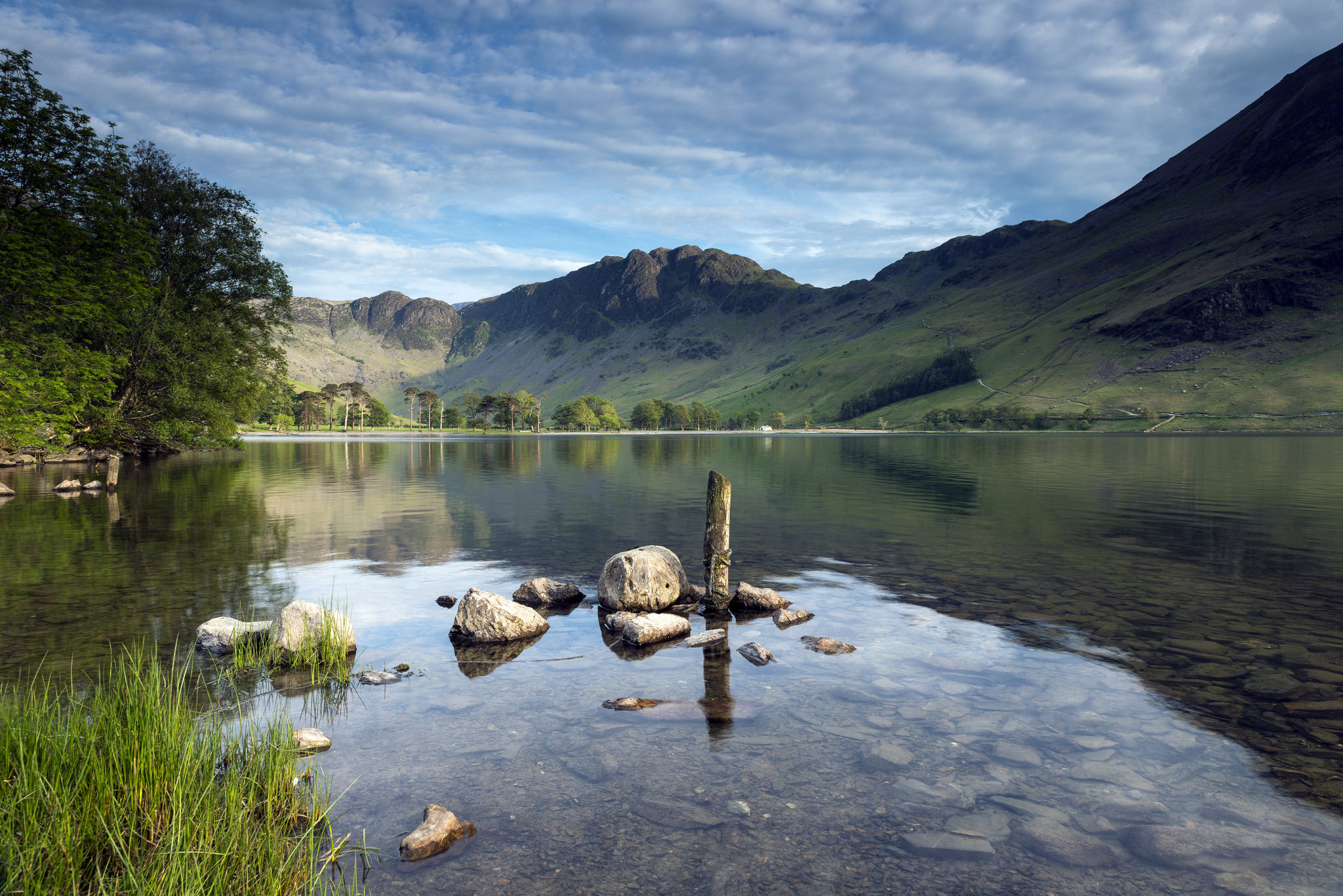
Stretching for more than 10 miles between Ambleside and Newby Bridge, Windermere is not only the largest lake in the Lake District – it’s the largest lake anywhere in England. The main focus of attention is Bowness-on-Windermere, where you can brave the quayside crowds before catching a scenic boat trip across the water and its secluded bays.

Wray Castle

Look out for easels placed around the castle grounds and find inspiration to capture England’s largest lake. If you still have some energy left after all that creativity, a walk down to the shore or exploring the woodland tree trail will stretch the legs. The outdoor play trail is also perfect for big and little ones looking for an adventure.

Allan Bank

Allan Bank is a place where many people have lived, but three of them have changed the way we see the world and our place within it; Wordsworth, Coleridge and Rawnsley.

Up the hill and away from traffic, the woodland grounds are a great place to escape. Follow the Allan Bank garden path and explore a natural play area – perfect for a bit of den building. Allan Bank is very paw friendly and dogs are welcome inside and out.


Explore our collection of holiday cottages across the Lake District, in stunning locations such as KeswickThrelkeld and Windermere.

Wildlife Watching Along The North Yorkshire Coast

We love to champion the diversity of our region’s natural environment (in its many unique forms) and work hard to showcase just how vital it is for us to protect local wildlife.

At Cottage Escapes we incorporate environmental management into everyday business and our team seek the highest standard of excellence in conservation practice. Placing an emphasis on making positive changes where possible in respect to energy and waste and leaving areas of Thirley Cotes Farm ‘rough and wild’ to welcome resident wildlife. As well planting trees, shrubs and flowers that provide food and shelter.

There’s also plenty of places perfect for wildlife watching dotted along our neighbouring North Yorkshire Coast.

RSPB Bempton Cliffs

The North Yorkshire shoreline is home to the UK’s largest mainland seabird colony and RSPB Bempton Cliffs is the gateway to this incredible spectacle. Each year, around half a million seabirds nest here, including the locally-loved puffin, with their smart black and white plumage, comical walk and bright orange beaks.

The quantity and diversity of these species labels the colony of international importance, however they are at extreme risk due climate change, fishing and pollution (all thought to be contributing to a vast drop in numbers). It is hoped that RSPB monitoring over the past decade will identify trends and help protect precious seabirds for future generations.

This is a fantastic place for wildlife watching along the North Yorkshire Coast. Simply look down on the array of nests from atop chalk cliffs or take a boat ride from Bridlington and see them dive into the water beside you as they hunt for sand eels to feed to their pufflings.

Plan your trip between March and July when the birds are breeding, as after this, they fly out to sea, where they remain for the rest of the year. It is also one of the very few sites that gannets can be spotted during breeding season. These large and long-necked birds often travel in small groups and feed by plunging into the depths. Boat trips to spot both puffins and gannets run from May – July.

Harwood Dale

There’s nothing more awe-inspiring than watching a silent hunter glide across the darkening sky and they are prevalent across the North Yorkshire countryside.

August is the best time to spot our resident Barn Owls at Thirley Cotes Farm, where they can been seen the evenings or after heavy rain.

North York Moors

Roe Deer are the smallest native deer in Europe and are so well camouflaged that often, you will only catch a quick flash of a white rump as their rust-red coat blends into the wilderness. The forests that flank the Cleveland Hills and North York Moors are good places for wildlife watching close to the North Yorkshire Coast and the best time to spot Roe Deer is early morning in the autumn and winter.

North Yorkshire Coast

The shorelines of Whitby and Saltburn are great for sea life spotting and home to fin, sei, pilot, mink and humpback whales, as well as porpoise. From June until October/November, white-beaked dolphins follow the shoals of North Sea mackerel swimming south from the Arctic and make a spectacular sight.

While at Ravenscar, the colony of around 300 seals will be nourishing their pups throughout June and July and you can spot grey seals in November, though it’s important to admire these wonderful wildlife from a safe distance.

As our guests you have a very important role to play in helping us support our surroundings and offer more sustainable holiday destinations. Please enjoy and respect our grounds, areas of natural beauty and the wildlife that call this spectacular county home.

Plan Your Stay: North Yorkshire and The Lake District

Flamborough North Yorkshire
For those seeking a little adventure, or simply a spot of switch off, there’s plenty to see and do (or not) close by.

We have compiled handy guides to the best dining, walking, cycling, hiking, running and rambling routes across our surroundings and can point you in the direction of organised treks and tours, as well as help with any other local recommendations.

North Yorkshire Moors and Coast

Rather than head to the same old spots, why not make 2022 the year to discover somewhere new?

We have so much open moorland to uncover and an abundance of forest trails perfect for walks, runs, strolls and alfresco ‘bathing’, including Dalby Forest, Clay Bank, Kilburn Woods, Broxa Forest, Silton Forest and Guisborough Forest (though parking is limited in this area).

Why not avoid the crowds and park in Guisborough town instead? Joining the disused railway path before entering the woodland where you can extend your walk along the Cleveland Way to Highcliffe Nab and beyond to visit Hanging Stone.

Ordnance Survey’s Greenspace Map is a great resource and can help you find lovely natural spots close by. The Walking Britain website also has lots of suggestions for routes in the western half of the National Park.

Hikes signposted by our team at Thirley Cotes Farm are a great alternative to honeypot sites and we provide route guides and maps across our cottages to help you plan your visit.

The City of York is just an hour away, where you’ll find the Jorvik Centre, Castle Museum, Clifford’s Tower and National Railway Exhibition (to mention only a handful of things you can experience) and for those seeking added adrenaline, Flamingo Land and Go Ape Dalby Forest are easily accessible.

Robin Hoods Bay, Ravenscar, Filey, Whitby and Bridlington are around 30 minutes away and on the doorstep is peaceful Peasholm Park (set around a large lake) as well as Scarborough Open Air Theatre and South Bay, which is ideal for those who enjoy water sports.

There are heaps of opportunities for a spot of sailing, canoeing and wind surfing and if you prefer calmer conditions, we’re just a 15 minute drive from Wykeham Lake, where there’s a jam-packed calendar of both solo and team building exercises available. Think kayaking, canoeing, open brook swimming and an inflatable aqua playground. So whether for business or pleasure, we can provide the perfect base for your holiday.


Lake District

Perhaps you fancy a leisurely water cruise? A relaxing ride on a steam train? Or you could simply explore Cumbria’s vast array of fells. There’s also a whole host of outdoor and indoor attractions, restaurants, shops, retail experiences and leisure facilities nearby.

The Lake District is England’s largest natural park and home to many hidden natural wonders. Including Windermere, 26 miles of coastline and beautiful estuaries that edge the area. No wonder that it was loved so dearly by Beatrix potter, Alfred Wainwright, Arthur Ransome and William and Dorothy Wordsworth.

Sparsely populated with just over 40,000 living in the area, this corner of the country comes to life as a popular holiday destination and you will not want to miss exploring the bustling market towns and villages of Threlkeld and Keswick, where you’ll find Castlerigg Stone Circle.

The Cumbrian countryside is beloved by many and our collection of cottages across The Lake District ensure you’re based in a prime location for exploration.

Dark Skies Festival 2022

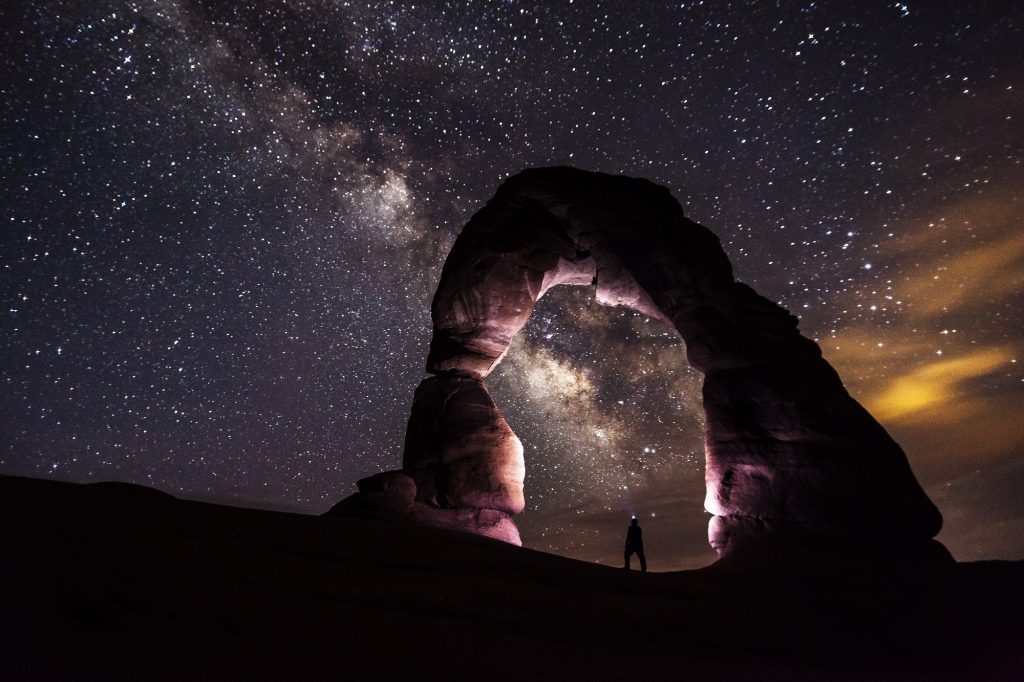
Since 2016’s inaugural event, the North Yorkshire Dark Skies Festival has become an unmissable fixture in the calendar, celebrating the jewels of our surrounding night sky.

Discover activities in the dark to heighten the senses. Such as night runs, zip wires, kayaking and biking, astrophotography workshops, stargazing safaris, children’s trails and mindful experiences.


There’s also exciting additions new for 2022 including an exhibition, art classes, new moon gatherings and sky-watching at spectacular sites such as Dalby Forest and Robin Hood’s Bay. Find out more via the Dark Skies Festival website.

Our Must-Visit Michelin Star Guide to the Lake District 

Eating out in the Lake District has changed dramatically since the 1970s (when Sharrow Bay first achieved international fame) and the choice is no longer between antiquated tea rooms or watering holes for hungry hikers, although both still exist. Instead, this corner of the country now rivals the culinary reputation of many big cities.

Four restaurants boast Michelin stars (L’Enclume has two) and prised pubs range from gastro to down-to-earth. Throw into the mix a fusion of classic bistros, tapas bars, farm shops and veggie/vegan cafés, and you’ll not go hungry.

Local produce to look out for includes Herdwick lamb, damsons, Cartmel sticky toffee pudding, forest mushrooms, Grasmere gingerbread and the ginormous Cumberland sausage. Oh and the Lakes are also home to dozens of breweries, specialising in craft beers and traditional ales (it even has its own distillery, offering a selection of world-class spirits).

Here, we take a closer look at Cumbria’s most prestigious award-winning eateries in our Michelin Star Guide to the Lake District.

L’Enclume

Not only is Simon Rogan’s L’Enclume a holder of two Michelin stars, but it was also named as the best restaurant in Britain for four years in a row by the Good Food Guide. The brasserie itself is housed in a former ironmongers and whilst many of the original features have been retained, Rogan has taken a minimalist approach to the décor.

There are stripped back walls and floors, as well as bare tables, all to ensure that there is nothing to distract the diner from the food experience. Which consists of one of two tasting menus, either the 10-course lunch time only menu or the 20-course lunch/evening menu.

The dishes themselves are a secret until your order is placed, when the waiter will then present you with a sealed envelope that contains details of what each course entails. Some diners prefer to leave the envelope unopened for an extra surprise. Each course is beautifully presented and uses only seasonal ingredients, many of which are grown in Rogan’s own farm.

Rogan & Co, the Square, Cartmel

Rogan & Co is the holder of Simon Rogan’s newest Michelin star and housed in a 16th century building complete with exposed beams, whitewashed walls and a roaring fire (creating a more relaxed and informal atmosphere to that found at sister restaurant L’Enclume). In keeping however, the kitchen makes the most of seasonal produce grown on Rogan’s farm and while a traditional experience, with a standard 3-course menu, the dishes are presented in the same beautiful style.

Forest Side Hotel, Keswick Road, Grasmere

Head Chef at Forest Side, Kevin Tickle, spent nine years working under Simon Rogan at L’Enclume, before moving to his position at the luxury Grasmere Hotel. Rogan’s influence is clear, with the restaurant also offering an exquisite tasting experience that uses the best of local and seasonal ingredients (particularly keen on foraging).

A true Cumbrian born and bred, Tickle spent much of his childhood “collecting elderflower and other ingredients” with his Dad to create wine and before he opened the restaurant at Forest Side, planned months of preparation by scouring the nearby countryside for food to pickle and cure. He continues to ensure that the menu is informed by local produce and claims to be inspired by the Cumbrian landscape (Herdwick lamb certainly one of many stars).

HRiSHi at the Gilpin Hotel, Crook Road, Windermere

HRiSHi at the Gilpin Hotel was first awarded a Michelin star in 2016 and once again the British-Asian restaurant has retained the coveted award. Head Chef, Hrishikesh Desai was born in India and trained/worked in France before moving to Cumbria. His dishes infusing the best of British produce with the exotic spices he grew up with to create a taste explosion (think Morecambe Bass combined with masala, whilst Scottish salmon is served alongside piccalilli and cucumber jelly). Diners can opt for a traditional three course meal, seven course tasting menu or a decadent take on afternoon tea.

When joining us for a stay in one of our Cumbrian cottages, be sure to consult our Michelin Star guide to the Lake District and discover what makes Lakeland’s finest eating establishments worthy of such high praise. 

The best time to visit us here in the Lake District

Every season brings with it its own beauty and charm, which means the best time to visit the Lake District truly is year-round.

Springtime welcomes bouncing baby lambs and tapestries of bluebells and daffodils that inspired William Wordsworth on a stroll around Ullswater. While May offers your best chance of dry skies and June showcases butterflies and hedgerows (plus the summer crowds are still a little way off).

Some of the busiest and best months of the year to spend time on a visit to the Lake District are July and August, with pleasant temperatures of around 21°C and views from the fells seeming to go on endlessly.

September is milder but a wonderful season for walking; when the days are still long enough to tackle higher hilltops and the promise of a crackling fire at the end of it all keeps you plodding along happily.

Come November, the onset of the winter months brings with it crisp mornings and bracing winds and from December through to March, snowfall is likely. The lower-lying fells see around 20 days of the white stuff, while further up there is a much heavier dusting. Hill sheep with their woolly fleeces are little bothered, but you’ll want to pack thick jumpers and waterproofs.

Feeling inspired to join us for a stay in this spectacular corner of the country? Browse our collection of self-catering Cumbrian cottages.

Winter Walks: North Yorkshire Coast

Blow away the cobwebs along blustery seaside paths or take a frost covered Boxing Day stroll though wild moorland and rolling countryside.

The North Yorkshire Coast is blessed with a spectacle of stunning walks and that is never truer than during the winter months.

When the cold weather rolls in, it’s the perfect time to wrap up warm, throw on your wellies and head out on an invigorating stroll and there are lots of different routes to suit everyone from our doorsteps.

So why not get out and explore the seasons winter wonderland, capture stunning scenery and then return to your cosy home-from-home hideaway to warm those chills as you recharge around the crackling fire.

Psst! don’t forget to follow us on Facebook @cottageescapesofficial and Instagram @cottageescapes and send us your shots of the local scenery.

If you’re looking for some inspiration, here’s 3 of our favourite winter walks across the North Yorkshire Coast and Moors.

Roseberry Topping and Cook’s Monument

An ascent of the Yorkshire Matterhorn, plus a reminder or two of the great navigator and explorer Captain Cook – just some of the delights of this classic seven-mile circular walk through dappled woodlands and across heather moorland.

You’ll encounter two iconic North York Moors landmarks en route – Roseberry Topping and Cook’s Monument – so take your camera and fingers crossed for a clear day.

The climb up Roseberry Topping (1,050 feet/320 metres) is a steep ascent up a stepped path and stone track – there’s also a gentler ascent from Gribdale Gate to Cook’s Monument. Otherwise the going is straightforward, along well-defined moorland tracks and grass and woodland paths.

During his early years, the young James Cook must have spent many hours walking in this area. Tantalising glimpses of the North Sea from the Topping doubtless set something racing in his heart, and within a few years Cook had started a journey that would take him around the world on his famous voyages of exploration. His initial steps, however, were closer to home – first to Staithes (where he was apprenticed to a local shopkeeper) and then to Whitby. Follow the trail, finding out about his schooldays in Great Ayton at the Captain Cook Schoolroom Museum, before visiting the Captain Cook and Staithes Heritage Centre and then Whitby’s Captain Cook Memorial Museum, the latter housed in the building where apprentice seaman Cook first lodged.

Roseberry Topping is an unusual landmark on the otherwise fairly level skyline of the North York Moors. A hard sandstone cap has protected the underlying soft shales and clays, so while the surrounding area was worn away by ice, wind and rain, the Topping survived. Its dramatically shaped summit – seemingly cut away on one side – has another explanation, at least in part. Alum, jet and ironstone have all been quarried and mined out of the hill over the centuries, and ironstone mine workings led to the collapse of the western face in 1912.

Parts of Newton Wood, on the slopes of Roseberry Topping, have existed for at least 400 years. Indeed, woods like this once covered much of the North York Moors. It’s broadleaved woodland, with sessile oaks, rowan, ash, alder and sycamore present – most of the oak trees are of similar size and were probably planted in the 1800s. Unsurprisingly, it’s one of the richest woods in the area for birdlife, featuring great spotted woodpeckers, blue tits, woodcock, wood warblers and flycatchers.

Oliver’s Mount and the Mere

Overlooking the southern part of Scarborough is Oliver’s Mount, which is 500 feet above sea level and from which you can obtain a breath-taking view of Scarborough. It has an impressive War Memorial, the column rising to 75½ feet. The former name of the hill was Weaponness and its present name may be derived from the mistaken belief that Oliver Cromwell placed batteries on it during the siege of the Castle. To reach Oliver’s Mount, leave the railway station on A165 road to Cayton and Filey, cross the long and impressive Valley Bridge, which is about 70 feet above the beautiful Valley Park and continue up Ramshill Road past the traffic lights, turning to the right at Mountside.

Hole of Horcum and Levisham Moor

Be prepared for grand landscapes and big views on this North York Moors classic. Starting with the dramatic panorama from Saltergate over the Hole of Horcum, the five-mile scenic walk follows a prominent track over Levisham Moor, past important archaeological remains. There’s a possible diversion to the stunning viewpoint of Skelton Tower, after which the route drops into the rocky ravine of Dundale Griff and returns along the valley to the Hole of Horcum, climbing back out at Saltergate.

The Hole of Horcum is one of the most spectacular features in the National Park: a huge natural amphitheatre 400 feet deep and more than half a mile across. Legends hang easily upon a place known as the Devil’s Punchbowl – the best-known says that it was formed when Wade the Giant scooped up a handful of earth to throw at his wife during an argument.

The track across Levisham Moor runs through a landscape rich in archaeological remains. Half-hidden in the heather are traces of human occupation stretching back thousands of years, from Bronze Age barrows to late Iron Age boundary dykes. These mounds, ditches, banks and ridges are evidence of burial sites, fortified farmsteads, enclosures and field systems – hard to spot at first glance but obvious once identified.

Ruined Skelton Tower offers an extraordinary view down into Newtondale and over the track of the North Yorkshire Moors Railway. Built around 1830 by Robert Skelton, rector of Levisham, it was once used as overnight lodgings after a day’s shooting on the moors. The grassy headland is a wonderful spot for a picnic, and you’ll hear the whistle of the steam trains below in plenty of time for a photograph.

Where better to see out the colder months than from the warm comfort of a cottage with a roaring fire or a homely farmstead that imbues slow living. Luckily, our portfolio has both of these in abundance and you can take advantage of 15% OFF last-minute holidays! So you’ll save a few extra pennies to spend on yourself this Christmas. Discover our full collection of cosy cottages and enjoy winter walks across the North Yorkshire Moors and Coast.

There’s Plenty to See and Do in Staithes and Robin Hood’s Bay

The higgledy-piggledy seaside villages of Staithes and Robin Hood’s Bay are two of the most spectacular areas of interest here on the North Yorkshire coast.

If you decide to pay a visit to either (or both) of these stunning spots, you’ll surely agree and below is a closer look some of our favourite things to see and do close by.

The Coast of Captain Cook

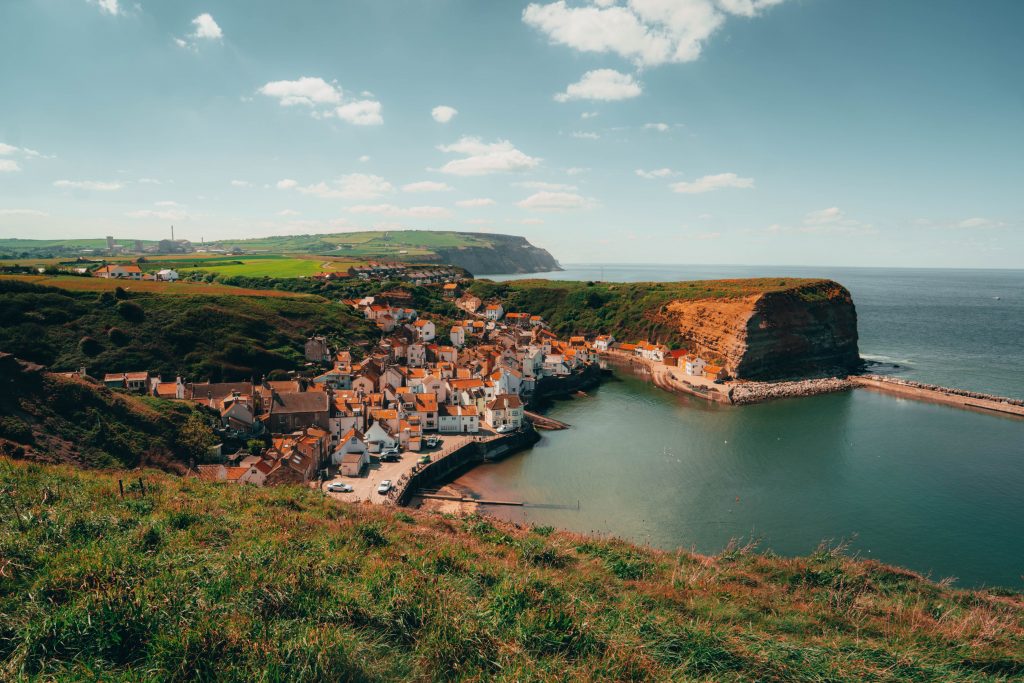
The traditional fisherman’s village of Staithes is nestled in a narrow creek, which was formed by the Roxby Beck and sits just ten miles north of Whitby. It’s also considered one of the prettiest coastal spots across the whole of the country.

The name Staithes was chosen by Vikings who first settled in the area and it is the beautiful scenery and historic connections that still draw settlers back to the village today.

Follow in the footsteps of famed 18th century explorer Captain James Cook, who as a child worked as an apprentice nearby and was later inspired to take to the seas. Upon leaving Staithes, Cook headed to neighbouring Whitby, where he begin his life on the waves.

Set in the borough of Scarborough, not far from Filey and sitting on the border of Redcar and Cleveland, this has fast become a popular jaunt for those looking to experience the natural wonders of the Yorkshire coast. As well as geologists interested in the fabulous fossils found along the shoreline. In the 1990s, there was even a rare prehistoric remnant spotted in a sand-swept cove.


A Smuggler’s Lair

Home to another historical and legendary connection, this characterful little village is just five miles to the south of Whitby. Legend says that Robin Hood actually kept his boats docked close by, so that a swift and silent getaway could be made from the coast.

Beautiful beaches and cobbled streets make the surrounding scenery a delight to explore, though you won’t find deckchairs and amusements scattering this part of the shoreline, as it’s traditionally maintained by the local community.

Backed by dramatic overhanging clifftops, maritime architecture and breath-taking tracks and trails, you’re sure to find plenty to discover in this wonderful corner of the country.

Explore Whitby’s Historic Abbey Ruins

Whitby Abbey Ruins
One of the most celebrated and visited sights on the North Yorkshire coast, the ruins of Whitby Abbey are home to a fascinating history and awe-inspiring to behold.

There has been a monastery or similar on-site since 657 and it formerly held the title of one of the world’s most important religious settlements – in 664 becoming the setting for the Synod of Whitby, a landmark event in the tapestry of the Church of England.

The Abbey was founded in 657 by Oswy, the Saxon King of Northumbria and inaugurally known as Streanshalh and Lady Hild (later Saint Hild the Abbess) offering accommodation for Benedictine monks and nuns.

The building you see today was probably under construction from around 1220 (though the foundation lines of an earlier dwelling can also be seen) and the monasteries of Whitby spared no expense when transforming their home into a place of workshop. As such, upon completion, it represented some of the finest pieces of early Gothic architecture in Britain.

By the early 19th century, Whitby had gained real popularity as a tourist destination and at the same time, the Abbey ruins became a must-visit spectacle. The author Bram Stoker even visited the area and was later inspired to incorporate the setting into his novel, Dracula (which, when published in 1897, helped Whitby gain even more spooky appeal and literary association).

The Abbey ruins today attract visitors in their droves and are a prominent point of the UK’s archaeological significance, offering stunning views out across the North Sea and bustling harbour below from atop the 199 steps. There’s also an interactive visitor’s centre which takes you on a journey through many fascinating artefacts and maritime events, from Anglo-Saxon through to the Medieval ages and you’ll find plenty of places to refuel close by (or a picnic spot within the gardens, if you prefer to dine alfresco) while parts of the grounds can be explored with four legged friends. Plan your visit here.

Whitby Abbey is just a short drive from our North Yorkshire Moors and Coast cottages. Providing the perfect base from which to explore the surrounding scenery and shoreline.